


Who we are
The Foundation for the Rights of Future Generations (FRFG) is a think tank and activist group founded in 1997 by a non-partisan alliance of five young people between the ages of 18 and 27. We are one of the youngest foundations in Germany to this day. Ambassadors, trustees and researchers support the foundation in its work.
But what’s the problem?
Politics and society are obsessed with the here and now. Slowly-emerging problems or ones that will affect us in the future lack public and political attention. Election cycles force politicians to focus on short-term political success. And the costs of today’s political, economic and social decisions are all too frequently shifted into the future. Younger generations are affected most by today’s decisions in the long-run — and yet their voice is under-represented in the decision-making process. Unborn generations have no voice at all.
This is where we come in.
Future generations should have be given the same opportunities to satisfying their own needs as today’s generations. We do not want to live at the expense of those who come after us. We are driven by a vision of young and old working together for justice that includes future generations.
What we do
It is our mission to raise awareness of intergenerational justice in politics, business and society and to write informative position papers that explain the problem and propose practical solutions. We work out how to be just to future generations and inject this into the political debate. We encourage young people to engage with these issues and we promote research on the topic of intergenerational justice through our prizes. 300 Friends of the FRFG and individual donations finance our independent, non-partisan work.
If you want to learn more about our projects, including the Intergenerational Justice Prize, Walkshops, the Intergenerational Justice Review, and our path to an intergenerationally fair world, then listen to our episode on the Intergenerational Fairness Day Podcast here.
We…
are passionate: We believe in our vision and put our heart and soul into it. We are mostly staffed by volunteers.
are goal-oriented: We want to make a difference and change society. We set ourselves concrete goals and do our best to achieve them.
offer policy advice: The foundation offers advice to politicians and has special consultative status with the UN’s Economic and Social Council (ECOSOC).
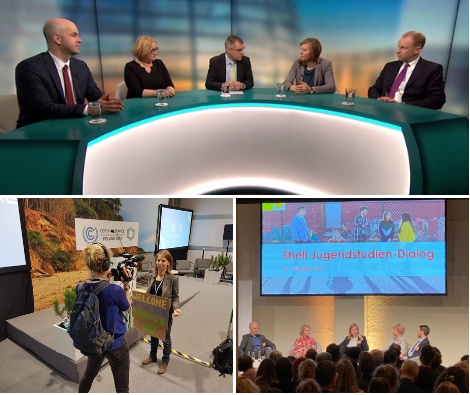
are in demand: We regularly represent younger and future generations on talk shows, are invited to share our expertise with decision makers and are often cited on the media.
We need you!
We are always looking for people and organisations who want to work with us to find good and practical solutions to problems which affect younger and future generations. Just get in touch. You can also donate, become a Friend of the FRFG, or apply for internships or jobs.
Help us make the world a better place for young and unborn people!
Awards
Even though our work is rewarding in itself, we’re always delighted and honored when respected organizations recognize our achievements.
2018 — Energy Globe Award “National Winner”
2014 — Our Task Award
2011 — Award by the European Commission for the implementation of European Voluntary Service
2008 — Integration Award of the Apfelbaum Foundation
2001 — Citizen’s Medal of the City of Oberursel
2000 — Theodor Heuss Medal